

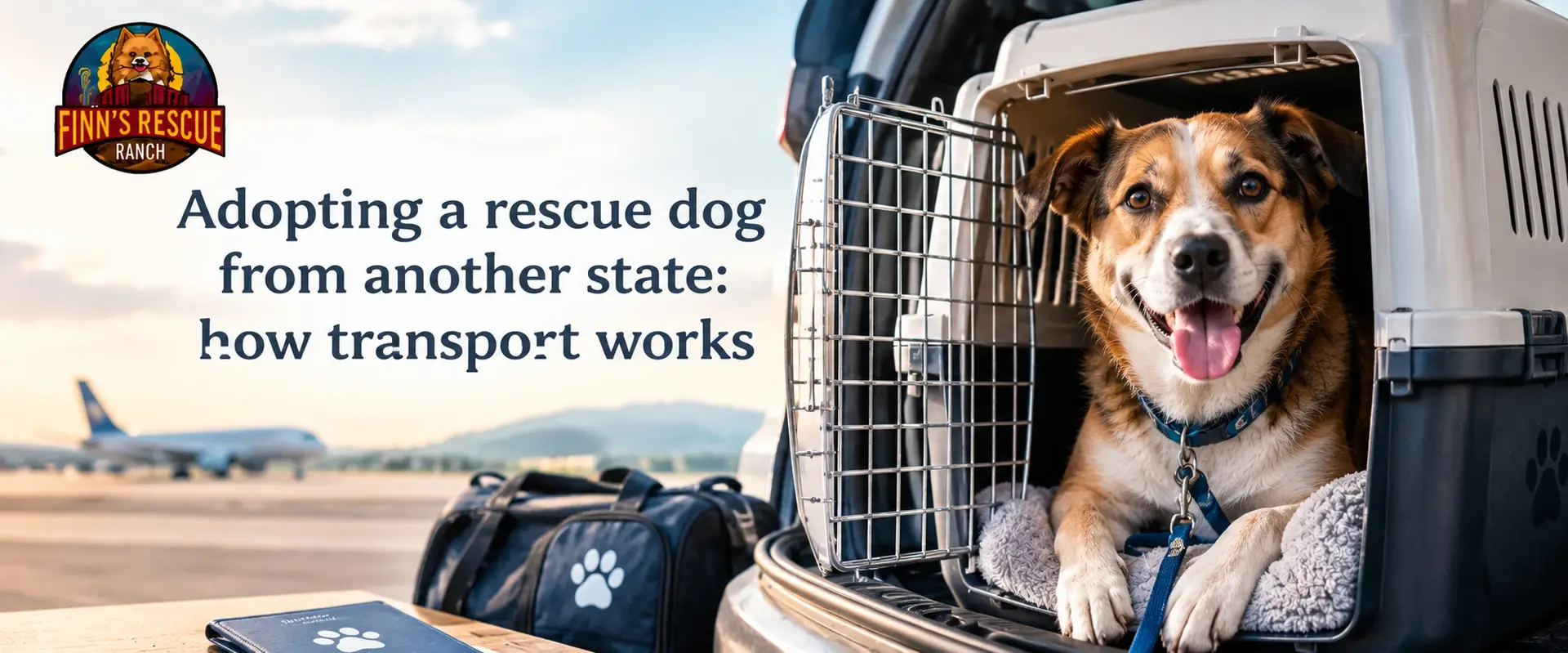
Finding the right rescue dog does not always mean finding a dog in your own city or state. Sometimes, the dog that best matches your lifestyle and household is located several hundred miles away.
That can make potential adopters wonder: Can I adopt a dog from another state? How will the dog get to me? Who arranges transportation? What should I prepare before the dog arrives?
The good news is that distance does not necessarily have to prevent a successful adoption. Rescue organizations may coordinate adoption and transport arrangements for dogs moving between states, depending on the individual dog, adopter, location, and available transport options.
For anyone considering an interstate adoption, understanding the process ahead of time can make the experience more organized and less stressful for both the adopter and the dog.
Yes, it may be possible to adopt a rescue dog from another state. The exact process depends on the rescue organization, the dog’s location, the adopter’s location, and the transport arrangements available. Transport may involve coordinated rescue transport, an adopter pickup, volunteer assistance, or another approved transportation arrangement.
Before committing to an interstate adoption, confirm the adoption process, transport responsibilities, timing, costs if applicable, and any requirements that apply to the dog’s journey.
Why Would Someone Adopt a Dog From Another State?
Adopters often begin their search locally, but the right match is not always nearby.
A rescue organization may have dogs available in multiple locations, giving adopters more opportunities to find a dog whose temperament, age, energy level, and needs fit their household.
For example, Finn’s Rescue Ranch provides adoption and transport/adoption coordination and currently references adoption and transport locations including Texas and Maryland.
This means an adopter should not automatically assume that a dog being in another state makes adoption impossible. Instead, the important question is whether the dog and adopter are a suitable match and whether a safe, practical transport arrangement can be made.
How Does Interstate Dog Adoption Work?
The process can vary between rescue organizations, but interstate adoption generally involves several stages.
1. Find a Suitable Rescue Dog
Start by looking at available dogs and considering which one may be appropriate for your household.
Do not choose solely based on appearance. Consider the dog’s age, temperament, activity level, medical needs, training, and compatibility with your lifestyle.
If you are interested in a particular location, you can explore available dogs through the relevant adoption pages. For example, Finn’s Rescue Ranch has a dedicated page for dogs in Texas.
2. Complete the Adoption Process
The rescue organization may have an application, screening process, interview, reference checks, or other adoption requirements.
These steps help determine whether the dog is a suitable match for the prospective adopter.
If you are unfamiliar with the process, understanding how dog adoption works can help you know what to expect before making arrangements for a long-distance adoption.
3. Discuss the Dog’s Needs
Before transportation is finalized, make sure you understand the dog’s current needs.
Ask appropriate questions about:
- Medical history
- Vaccination and veterinary records
- Current medications
- Diet
- Temperament
- Exercise needs
- House-training status
- Behavior around children
- Behavior around other animals
- Leash or crate experience
- Any known behavioral concerns
The more information you have, the easier it will be to prepare for the dog’s arrival.
4. Confirm the Transport Plan
This is one of the most important parts of an interstate adoption.
Ask the rescue organization how transportation will be handled and what responsibilities belong to the adopter.
Depending on the circumstances, transport may involve a rescue-coordinated vehicle, volunteer drivers, adopter pickup, or another transportation arrangement.
Do not assume that transportation is automatically included in every adoption. Confirm the details directly with the organization before making final plans.
What Types of Rescue Dog Transport Are Available?
There is no single transportation method for every interstate adoption. The appropriate option depends on the dog’s location, destination, health, temperament, timing, and the rescue organization’s arrangements.
Rescue-Coordinated Transport
Some organizations coordinate transportation through their rescue network or transportation partners.
This can be helpful when the organization regularly moves dogs between adoption locations.
Volunteer Transport
In some rescue networks, multiple volunteers may each drive part of a longer route. This can allow a dog to travel a significant distance without one person completing the entire journey.
The availability of volunteer transport varies, so adopters should confirm whether this option is available for their particular adoption.
Adopter Pickup
Some adopters choose to travel to the dog’s location and bring the dog home themselves.
This can give the adopter an opportunity to meet the dog in person and manage the journey directly. However, a long road trip can be tiring for both the dog and the adopter, so the trip should be planned carefully.
Professional Pet Transport
Depending on the rescue organization’s policies and the circumstances, professional transportation may also be an option.
Before using an outside provider, confirm that the rescue approves the arrangement and clarify who is responsible for booking and payment.
What Should You Ask Before Adopting From Another State?
Distance adds a few practical questions to the normal adoption process.
Before finalizing plans, ask:
- Where is the dog currently located?
- Where will the dog be transported from and to?
- Who is responsible for arranging transportation?
- Is transport available for this particular dog?
- What is the expected travel timeline?
- Are there additional transportation costs?
- Where will the handoff take place?
- What records will accompany the dog?
- What food is the dog currently eating?
- What medications or special care does the dog need?
- What should the adopter bring for pickup or arrival?
Getting clear answers before the journey can prevent last-minute confusion.
How to Prepare for an Out-of-State Rescue Dog
Preparing for an interstate adoption is similar to preparing for a local adoption, but the distance makes planning even more important.
Have basic supplies ready before the dog arrives. This may include food, water bowls, bedding, a secure leash and collar, identification, cleaning supplies, and appropriate enrichment items.
Make sure your home is safe and that family members understand the dog’s needs.
If you have children or other pets, plan introductions carefully rather than expecting everyone to become comfortable immediately.
It is also useful to prepare a quiet area where the dog can rest after traveling. A long journey and a completely new environment can be overwhelming, so the first few hours should be calm and predictable.
Health and Travel Considerations
An interstate journey can be demanding, particularly for a dog that is already experiencing the stress of changing homes.
Ask the rescue about the dog’s current health status and any travel-related considerations. Make sure you understand medication schedules, feeding instructions, and any special requirements.
Because animal transport rules and requirements can vary depending on the states involved and the type of transportation used, do not rely on assumptions. Confirm any applicable requirements with the rescue organization and, when necessary, the appropriate veterinary or state authorities before travel.
The rescue should also be able to explain what documentation or records will accompany the dog.
How to Choose the Right Transport Arrangement
The safest option is not necessarily the fastest or cheapest one.
When evaluating a transport plan, consider:
| Consideration | What to Ask |
| Distance | How far will the dog travel? |
| Travel time | How long is the expected journey? |
| Dog’s needs | Does the dog have medical, behavioral, or age-related needs? |
| Supervision | Who will be responsible for the dog during travel? |
| Handoff | Where and how will the dog be transferred to the adopter? |
| Documentation | What records will travel with the dog? |
| Cost | Who is responsible for transportation expenses, if any? |
| Timing | When should the adopter expect the dog to arrive? |
A good transport plan should prioritize the dog’s safety and welfare while giving the adopter clear expectations.
Benefits of Adopting From Another State
Interstate adoption can open opportunities that may not be available through a strictly local search.
The biggest benefit is the ability to focus on the right match rather than distance alone.
An adopter may find a rescue dog whose temperament, energy level, size, or needs are better suited to their household even though the dog is located elsewhere.
It can also give rescue organizations more opportunities to connect dogs with suitable forever homes.
For dogs waiting for adoption, expanding the potential adopter pool can make it possible to find a stable home beyond the organization’s immediate geographic area.
Common Mistakes to Avoid
Assuming Transport Is Automatic
Never assume transportation will be arranged simply because an adoption is approved. Confirm who handles transport and what the adopter needs to do.
Waiting Until the Last Minute
Long-distance arrangements may require coordination. Discuss transportation early rather than waiting until the adoption date is approaching.
Choosing a Dog Based Only on Distance
A nearby dog is not necessarily the best match. Focus on compatibility and the dog’s individual needs.
Not Asking About Medical Needs
Make sure you understand the dog’s health information, medications, veterinary records, and ongoing care requirements before the journey.
Underestimating the Adjustment Period
After a long trip, a rescue dog may be tired, uncertain, or overwhelmed. Give the dog time to rest and adjust rather than expecting immediate interaction or perfect behavior.
Tips for a Smooth Interstate Adoption
Start communication with the rescue organization early and keep all important adoption and transport information together.
Confirm the pickup or delivery location, timing, contact information, documentation, feeding instructions, medications, and emergency contact details.
Prepare your home before the dog arrives so you can focus on helping the dog settle.
Once the dog arrives, keep the first few days relatively calm. Offer food, water, rest, bathroom opportunities, and gentle interaction. Follow the guidance provided by the rescue and veterinarian.
Remember that the journey does not end when the dog reaches your home. The next step is helping your new companion become comfortable and establish a routine.
Frequently Asked Questions
1. Can I adopt a rescue dog from another state?
Yes, interstate rescue adoption may be possible depending on the rescue organization, the dog’s location, the adopter’s location, and applicable requirements. The rescue should confirm whether the particular dog can be adopted across state lines.
2. How are rescue dogs transported between states?
Transportation can vary. Depending on the organization and circumstances, it may involve rescue-coordinated transport, volunteer drivers, adopter pickup, or professional pet transportation.
3. Who pays for rescue dog transport?
There is no universal arrangement. Transportation costs and responsibilities vary by organization and adoption. Ask the rescue directly whether transport is included and whether the adopter is responsible for any additional costs.
4. What should I ask before adopting a dog from another state?
Ask about the dog’s health, temperament, medical records, travel requirements, transport arrangements, expected timeline, handoff location, documentation, and any costs or responsibilities associated with transportation.
5. Is adopting a dog from another state more difficult?
It can require additional planning because transportation and interstate requirements must be considered. However, clear communication with the rescue organization can make the process much easier.
6. How should I prepare my home for a rescue dog arriving from another state?
Prepare food, water, bedding, identification, a secure leash and collar, and a quiet place for the dog to rest. Keep the first few days calm and allow the dog time to recover from travel and adjust to its new environment.
Conclusion
Adopting a rescue dog from another state can seem complicated at first, but distance does not have to be an obstacle when the adoption and transport process is properly planned.
The most important steps are choosing a dog that genuinely fits your household, understanding the adoption requirements, discussing the dog’s health and needs, and confirming exactly how transportation will be handled.
Every interstate adoption is different, so prospective adopters should communicate directly with the rescue organization and confirm the details before making final arrangements. With thoughtful preparation and a focus on the dog’s safety and well-being, an out-of-state adoption can become the beginning of a rewarding new chapter.
Finn’s Rescue Ranch supports dog adoption, foster care, rehabilitation, sanctuary care, and adoption support, with adoption and transport coordination serving different locations, including Texas and Maryland.